
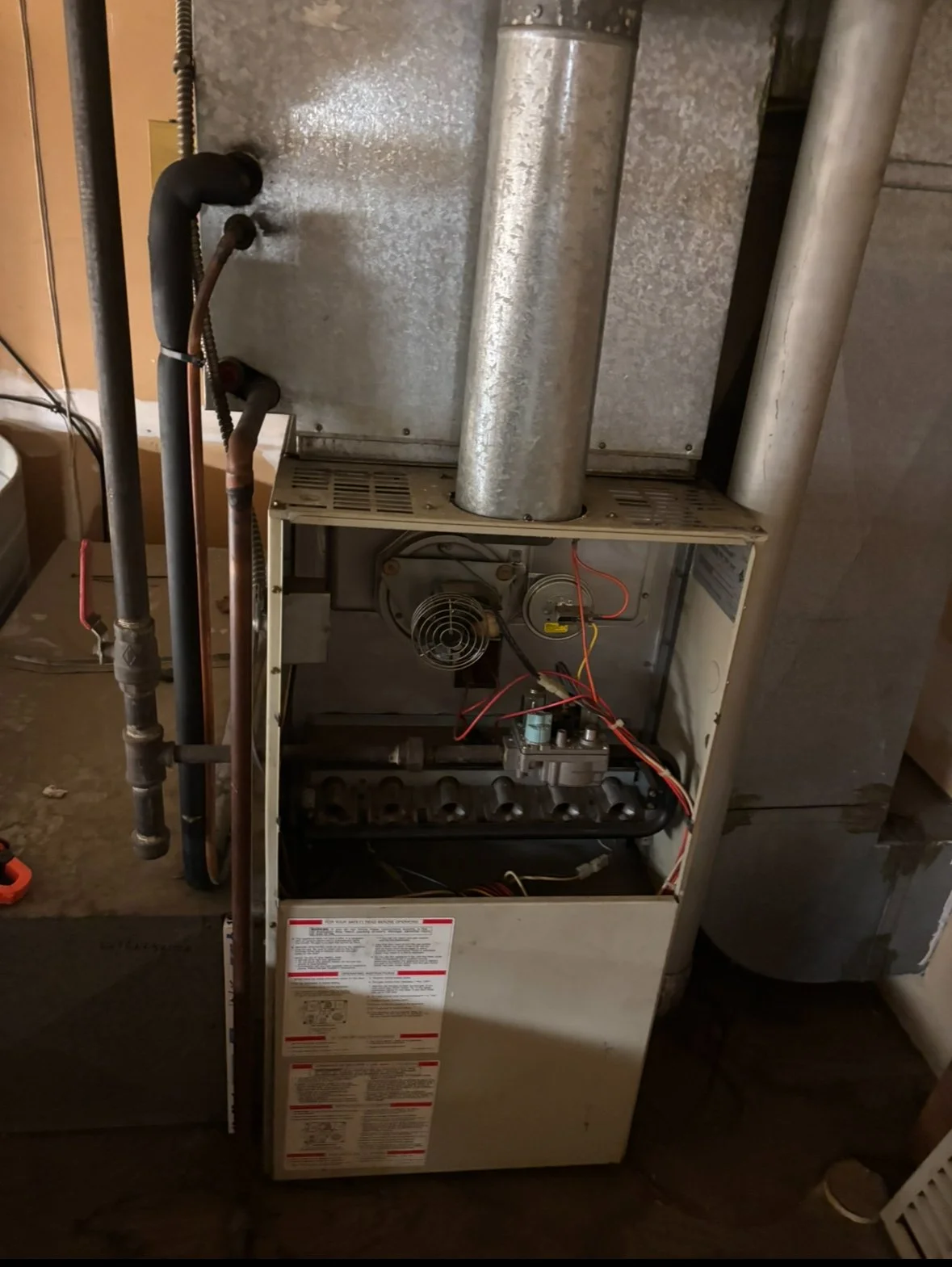
When Vancouver experiences a cold snap, many homeowners are caught off guard by a furnace that suddenly stops working. While our winters are usually mild, short bursts of freezing temperatures place extra stress on heating systems that aren’t used to sustained cold, often exposing hidden issues.
Understanding why furnaces fail during cold weather can help you prevent breakdowns — and know when it’s time to call a professional.
1. Increased Demand Pushes Weak Components to Failure
During most of the year, Vancouver furnaces cycle on and off gently. When temperatures drop below freezing, your furnace runs longer and more frequently to keep your home comfortable.
This increased workload can cause:
Worn ignition systems to fail
Aging blower motors to overheat
Cracked heat exchangers to trigger safety shutoffs
If a component is already near the end of its lifespan, a cold snap often becomes the tipping point.
2. Dirty or Clogged Air Filters Restrict Airflow
One of the most common — and overlooked — reasons furnaces stop working in winter is restricted airflow.
During cold weather:
Furnaces run longer
More dust is pulled through the system
Dirty filters clog faster
When airflow is restricted, the furnace may:
Overheat and shut down for safety
Short cycle
Stop producing heat altogether
💡 Tip: Filters should be replaced every 3 months, and more often during heavy use.
3. Frozen or Blocked Venting Pipes
High-efficiency furnaces common in Vancouver rely on IPEX System 636 intake and exhaust pipes that vent outdoors. During cold snaps, these pipes can become:
Blocked by snow or ice
Frozen from condensation
Obstructed by debris or nesting animals
When this happens, safety sensors prevent the furnace from running to avoid dangerous exhaust backup.
This issue is especially common in:
Townhomes
Basement mechanical rooms
Older retrofitted homes
4. Thermostat and Electrical Issues
Cold weather can expose weak electrical connections or thermostat problems.
Common issues include:
Failing thermostat batteries
Loose control board connections
Faulty flame sensors
Tripped breakers from increased load
In some cases, the furnace itself is fine — but it isn’t receiving the proper signal to turn on.
5. Condensate Line Freezing
Modern furnaces produce condensation that drains through a small pipe. During freezing weather, that line can ice up, causing the furnace to shut down automatically.
This is very common in:
Condos
High-efficiency systems
Units with poorly insulated drain lines
Once frozen, the furnace will not restart until the blockage is cleared.
6. Lack of Preventive Maintenance
Many furnace failures during Vancouver cold snaps could be avoided with annual preventive maintenance.
Without maintenance:
Small issues go unnoticed
Safety sensors become dirty
Efficiency drops
Unexpected shutdowns become more likely
A professional inspection ensures your system is prepared for peak winter demand — even during colder-than-normal weather.
What You Can Check Before Calling for Service
If your furnace stops working, you can safely check:
Thermostat is set to heat
Breaker hasn’t tripped
Filter is clean
Vents outside are clear
No error codes are flashing
If the furnace still won’t run, it’s best to call a licensed HVAC professional rather than risk damage or safety issues.