
When it comes to reliable hot water, homeowners often ask whether they should stick with a traditional hot water tank or upgrade to an instant hot water heater, also known as a tankless water heater. Both systems have their advantages, but depending on your household needs, one option may provide better efficiency, comfort, and long-term value.
At Harbourgreene HVAC, we help homeowners choose the right solution based on performance, energy savings, and reliability.
What Is the Difference?
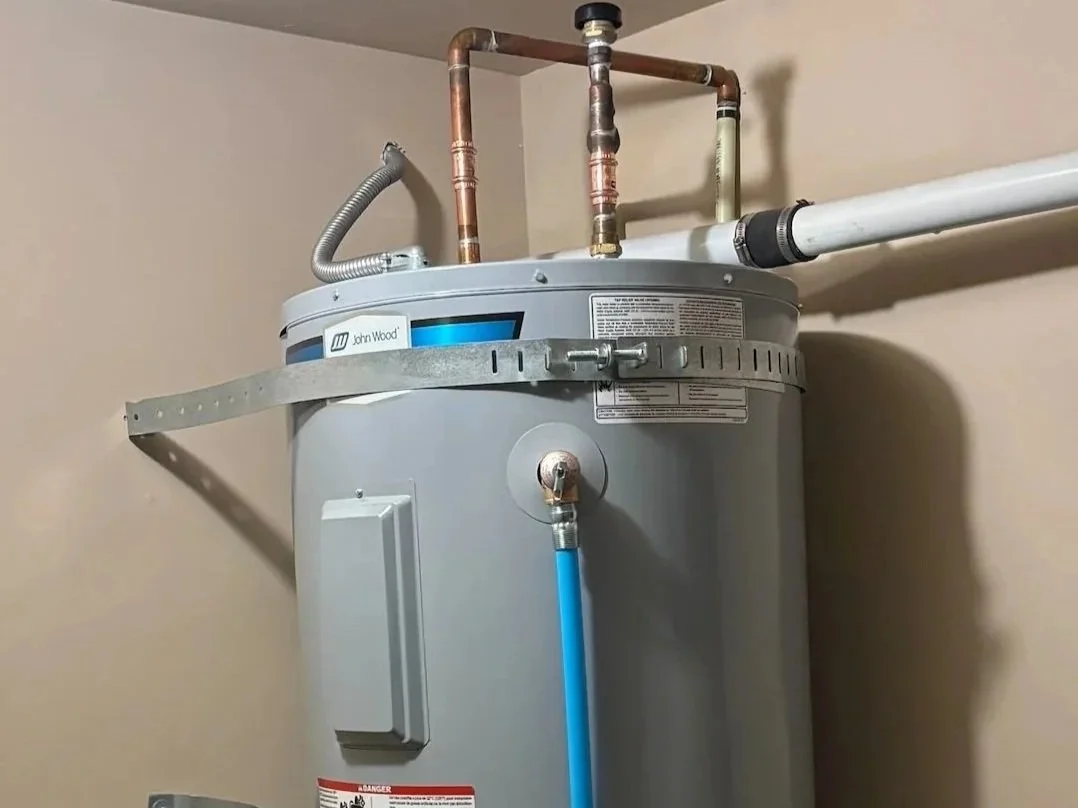
A traditional hot water tank stores and continuously heats a large volume of water, usually between 40 and 75 gallons. The system keeps that water hot throughout the day, even when it’s not being used.
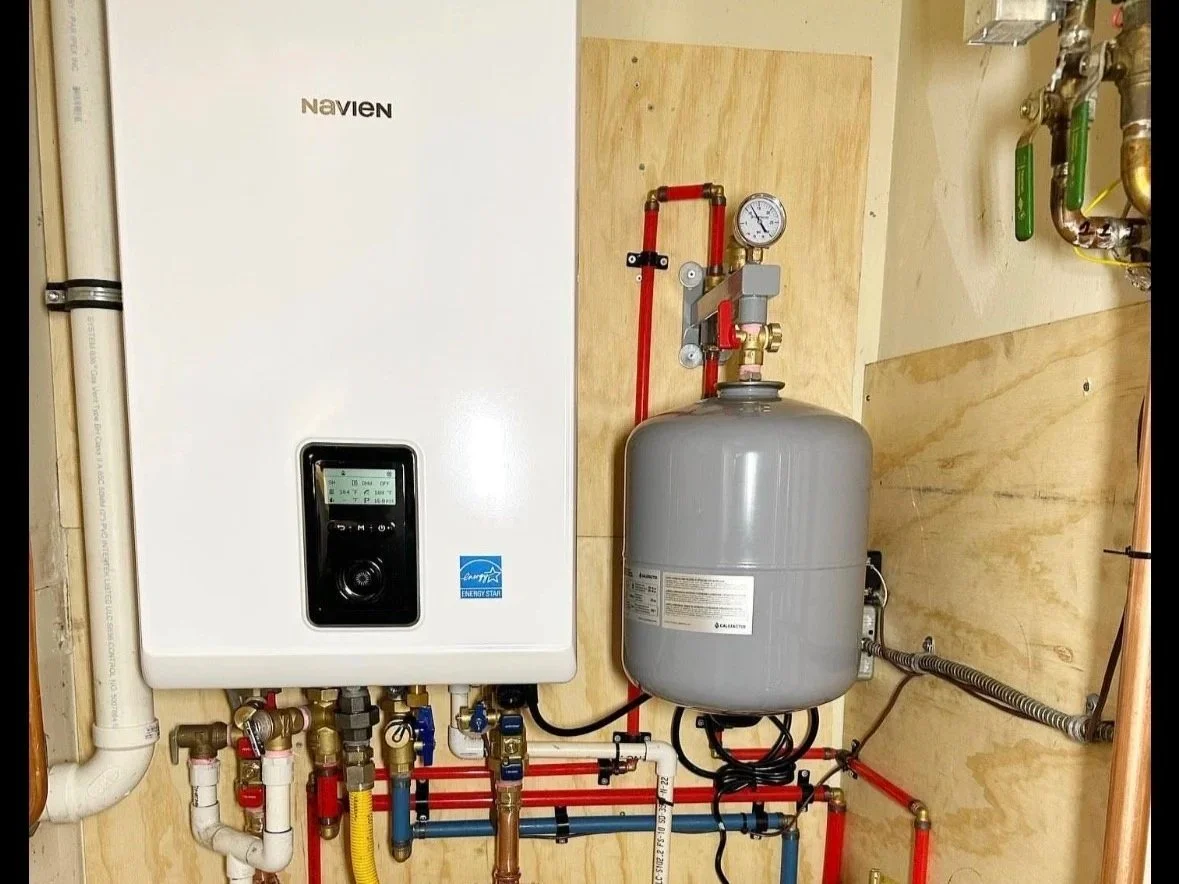
An instant hot water heater heats water only when needed. When you turn on a tap or shower, cold water passes through a heat exchanger and is heated on demand.
Benefits of an Instant Hot Water Heater
Endless Hot Water
One of the biggest advantages of a tankless system is the ability to provide continuous hot water. Large families or homes with multiple bathrooms can benefit from not running out of hot water during back-to-back showers or heavy appliance use.
Lower Energy Consumption
Traditional tanks continuously reheat stored water to maintain temperature. This standby heat loss can increase energy consumption over time.
Tankless systems only operate when hot water is needed, which can reduce overall energy usage and improve efficiency.
Longer Lifespan
A properly maintained tankless water heater can often last significantly longer than a conventional hot water tank. While traditional tanks typically last around 8–12 years, many tankless systems can operate efficiently for 15–20 years or more.
Space Saving Design
Tankless units are compact and wall-mounted, freeing up valuable utility room or storage space. This can be especially beneficial in condos, smaller mechanical rooms, or homes where space is limited.
Reduced Risk of Major Water Damage
Because traditional tanks store a large amount of water, a tank failure can sometimes lead to significant leaks or flooding. Tankless systems do not store water in the same way, reducing the risk of catastrophic tank ruptures.
Benefits of a Traditional Hot Water Tank
Lower Initial Installation Cost
Traditional tanks are generally more affordable upfront and can often be replaced quickly using existing plumbing and venting setups.
Simpler Installation
For homes not already equipped for gas upgrades, venting modifications, or electrical capacity increases, a conventional tank may require fewer installation changes.
Better for Simultaneous High Demand in Some Cases
In certain large homes with extremely high simultaneous demand, a properly sized storage tank system may still be the better fit unless multiple tankless units are installed.
Which System Is Better?
The right choice depends on your home, budget, and hot water usage habits.
A tankless system is often ideal for homeowners looking for:
Improved energy efficiency
Long-term savings
Unlimited hot water
Modern equipment with a smaller footprint
A traditional hot water tank may still make sense for:
Lower upfront costs
Simpler replacements
Homes with lower daily hot water demand
Professional Installation Matters
No matter which system you choose, proper sizing and installation are critical. An undersized tankless unit or incorrectly installed hot water tank can lead to poor performance, increased energy costs, and premature equipment failure.
At Harbourgreene HVAC, our technicians can assess your home’s hot water needs and recommend the best solution for comfort, efficiency, and reliability.
If you’re considering upgrading your hot water system, contact our team today to discuss your options and receive expert guidance tailored to your home.